The step stool is out again, one hand braced on the counter, sliding the big dinner plates up to the top shelf where they'll gather dust behind the emergency chocolate. The salad plates take their spot instead. That swap is basically the whole portion control plan I use for postpartum weight loss — no counting app, no scale, nothing logged anywhere, just a smaller circle of ceramic standing between me and eating past full. Busy moms don't need one more thing to track. We need fewer decisions, not more data.
You Don't Really Need to Count Anything
Short answer: no. Long answer: I spent about a year logging everything into an app, grams and ounces and the whole exhausting performance, and it left me worse at knowing when I was actually done eating, not better. Portion control turned out to be less about restriction and more about geometry. Change the plate, and the amount that looks normal to eat changes with it. The tracking became unnecessary busywork I didn't need.
Why Portion Control Starts With the Plate, Not the Food
Here is the thing about a standard dinner plate — it's grown to somewhere around 10 to 12 inches across over the past few decades, way bigger than what our parents ate off. Put a normal portion in the middle of that much ceramic and it looks lonely, like a snack that wandered onto the wrong dish. Swap in a salad plate, closer to 7 or 9 inches, and the same amount of food looks like a full meal. That's a trick of visual perception, not willpower, and it works whether or not you believe in it.
My brain doesn't know the difference between a full plate and a full stomach until it's too late, so I stopped fighting that and started using it.
The Half-Plate Rule, In Practice
Once the smaller plates were in rotation, I needed one rule simple enough to survive a kitchen with two kids yelling about whose cup is whose. Half the plate gets filled with vegetables or fruit, following the basic USDA guidance most of us half-remember from a poster in a pediatrician's office. The other half splits between protein and whatever pasta shape is currently popular in this house. No scale, no app — just halves and quarters, which is about the level of math I have bandwidth for most evenings.
This is the same logic I lean on for toddler meal prep, because thinking in fractions is faster than thinking in grams when someone small is actively climbing the pantry shelves while you're trying to plate dinner. Meal-prep batching is a whole different skill from this — filling a plate once a day is not the same project as filling a fridge for a week — but the two end up working together more often than not.
You Still Get Hungry
Some. That's honest. But less than I expected, and differently than before. Sitting down and actually finishing a meal at the same pace as everyone else at the table, instead of inhaling mine in ninety seconds and then picking at everyone else's plate, gave me time to actually notice satiety before I was full, ACTUALLY full, not just done chewing. Protein-satiety research says protein carries more of that weight than plate size does, and that's probably true, but the plate is the piece I could actually control on a Tuesday.
Stress-hunger cycles are a different animal entirely; some days I'm not hungry so much as wound up, and no plate size fixes that.
When the Right Ingredients Aren't in the Cart
The half-plate rule falls apart fast if the fridge is empty, which is where grocery-sourcing strategy quietly decides the outcome before a single plate gets filled. I tried a "clean eating" meal plan a while back that read beautifully on paper and fell apart at Jewel-Osco, because half of what it called for wasn't stocked there, and driving to three different stores for one dinner was never going to happen on a weeknight.
These days I keep a healthy Jewel-Osco grocery list saved on my phone so I'm not improvising in the produce aisle with a toddler trying to make a break for the lobster tank, and I still make a separate run to the Trader Joe's in Wheaton for a few staples Jewel-Osco doesn't carry. Two stores, one plate. Not elegant. It works.
Where the Extra Energy Actually Came From
By not stuffing myself past full at dinner, the after-dinner crash mostly disappeared — the one where I used to melt into the couch and stare at the TV until bedtime.
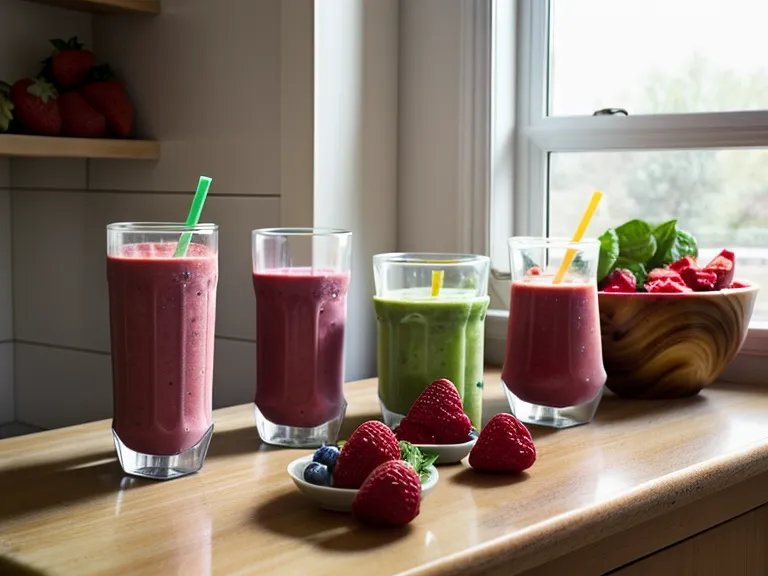
There's a corner of the counter that always smells faintly of banana gone one day too ripe, courtesy of the blender nobody rinses fast enough after a morning smoothie, and on the mornings I actually use it instead of skipping straight to coffee, the whole day goes better. High-volume eating — bulking up a plate with vegetables instead of shrinking the portion — is a related trick, but it's not the same one; that's about density, this is about the size of the dish itself.
I made it to two in the afternoon the other day without even wanting a second cup of coffee, which for a mom of a three-year-old and a five-year-old is basically a personal record. That's the kind of change that doesn't show up on a scale but shows up in whether I have the patience to referee one more argument about whose turn it is on the tablet.
Somewhere in the middle of all this I also started paying attention to why I use CitrusBurn for weight loss, mostly out of curiosity rather than any real expectation. I stay skeptical of supplements as a category — CitrusBurn included — and I'd rather test something slowly for a month than trust a label's promises on day one. It's a side note here, not the main event; the plate did more of the actual work.
Related Questions This Post Won't Answer
A few things come up constantly that this particular trick doesn't touch. Postpartum metabolism shifts are their own long, hormonal conversation that a plate swap has nothing to do with. Sugar-craving resets are a separate project entirely, usually needing its own plan and a lot more patience than I had some weeks. Gut microbiome questions are honestly above my pay grade as a suburban mom with a step stool and a coffee habit.
Freezer-storage windows, sodium and water retention, hydration getting mistaken for hunger, inflammation tangled up with fatigue, cutting a food group out entirely versus just eating less of it, how fresh something still is by the time it hits the plate — every one of those is a real question with a real answer, just not this one. This post is about the plate. That's it.
Yes, This Actually Holds Up
Mostly, on the weeks I don't fall back into old habits — and there are still weeks like that, because two kids and a full-time job don't leave a lot of room for a perfect system. A neighbor of mine runs a book club that meets in someone's basement once a month, and even she admits the whole point is the snack table, not the book; I bring that up because perfection was never actually the goal here, for either of us. Seven years of getting dinner on this particular table taught me that the plans that survive are the ones simple enough to survive a bad week, not the ones with the most rules.
No app, no log, no math homework at 8pm. Just a smaller plate, a simple rule, and enough energy most nights to fold the laundry instead of staring at it from the couch.